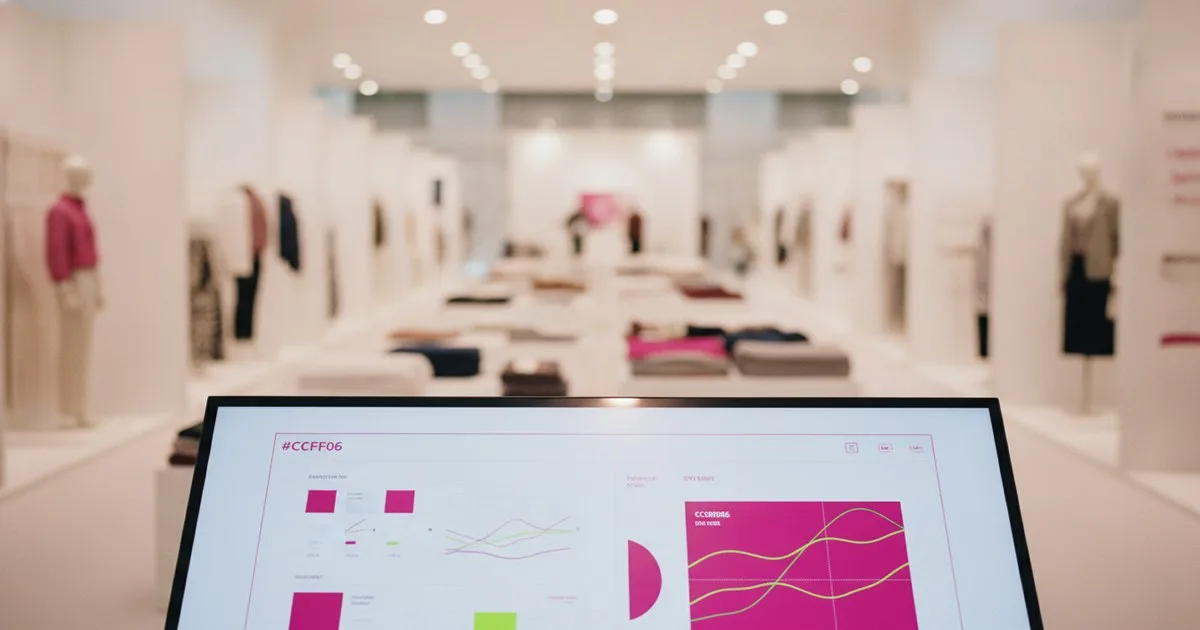
The tenth edition of Istanbul Fashion Connection arrived with a clear message: Turkish apparel manufacturing is accelerating its pivot toward artificial intelligence, digital transformation and sustainability. For sourcing managers and brand operations teams watching the region, the programme themes — not just the exhibitor list — are the real signal worth reading.
Key takeaways
- IFCO's tenth edition centred its agenda on digital transformation, AI and sustainable manufacturing, marking a deliberate shift in how Turkish manufacturers are positioning themselves to global buyers.
- More than 300 exhibitors filled 35,000 square metres at the Istanbul Expo Center, spanning every major apparel category from denim to eveningwear.
- The conference programme featured seminars and workshops specifically on smart clothing, technical textiles and digitalisation — not just trade-floor deal-making.
- Türkiye's export-oriented manufacturers are using events like IFCO to signal readiness for AI-driven production planning to European, UK, Russian Federation and Middle Eastern buyers.
- For brands, the agenda shift means supplier conversations are increasingly about data pipelines and digital workflows, not only price and lead time.
What is IFCO Istanbul and why does the agenda matter?
Istanbul Fashion Connection is Türkiye's flagship export-oriented apparel fair, organised by İTKİB Fuarcılık A.Ş. at the Istanbul Expo Center. It brings together manufacturers, established brands and international sourcing companies with buyers from across the EU, the UK, North Africa, the Middle East and the Commonwealth of Independent States.
The fair's programme — its seminars, trend areas, workshops and fashion shows — functions as a public statement of where the industry is heading. When organisers dedicate programming to digital transformation, smart clothing and AI-driven production, they are telling buyers what capabilities they expect exhibitors to demonstrate in the coming seasons. That is the intelligence sourcing teams should be extracting alongside any supplier meetings.
What technology themes dominated the agenda?
Digital transformation and AI-driven production planning
Just Style, the GlobalData-owned trade publication covering apparel and fashion, reported on 14 August 2026 that digital transformation, AI and sustainable manufacturing would lead the agenda at the tenth edition of IFCO. That framing — three themes grouped together — reflects how manufacturers in Türkiye are packaging their offer to global buyers: not AI in isolation, but AI as the engine of cleaner, faster, more transparent production.
AI-driven production planning is the most commercially immediate of these themes. For sourcing managers, it means suppliers are beginning to use algorithmic tools to optimise cut-order planning, reduce fabric waste and improve delivery reliability. Brands that have not yet asked their Turkish suppliers about their digital infrastructure are behind the conversation.
Sustainability and smart manufacturing
FashionUnited noted in its event coverage that the tenth edition carried an even stronger focus on design, sustainability and international business — language that signals a deliberate repositioning of Turkish manufacturing away from pure volume and toward value-added, responsible production.
The fair's programme included dedicated seminars and workshops on smart clothing and technical textiles alongside the sustainability strand. For brands under pressure from European due-diligence regulations and consumer expectations around environmental accountability, this is directly relevant: suppliers who are investing in these areas are better positioned to help brands meet their own reporting obligations.
International business development
With buyers attending from EU countries, the UK, the Russian Federation, the Commonwealth of Independent States, North Africa and the Middle East, IFCO functions as a multi-directional trade platform. The AI and digitalisation agenda is partly a pitch to these buyers — manufacturers are signalling that they can integrate into digital supply chains, share data and operate with the transparency that larger brands increasingly require from their supplier base.
What does the programme signal for sourcing strategy?
When a major trade fair reorganises its programming around AI and digitalisation, it is usually a lagging indicator — the capability is already being built in factories, and the event is the moment it becomes visible to buyers. That means sourcing managers visiting or monitoring IFCO should treat the agenda as confirmation, not prediction.
Several practical implications follow:
- Supplier qualification conversations are changing. Asking a Turkish manufacturer about their AI or digital planning tools is now a reasonable part of a sourcing audit, not a speculative question.
- Technical textiles and smart clothing are moving from niche to mainstream. The inclusion of these categories in IFCO's workshop programme suggests exhibitor demand, not just organiser aspiration.
- Sustainability documentation is becoming table stakes. Suppliers presenting at a fair that explicitly leads with sustainability are more likely to have the paperwork — and the processes — that brands need for compliance.
For brand operations teams, the broader takeaway is that Türkiye's apparel manufacturing sector is investing in the infrastructure that makes AI-driven collaboration possible. That includes digital pattern workflows, production data systems and the supplier-side tooling that connects into a brand's own planning stack.
Industry events that sit alongside IFCO in the calendar — such as those organised by PI Apparel, which brings together brands and fashion-technology vendors specifically to work through digital transformation challenges — give a complementary view of where the technology conversation is heading from the brand side.
What should brands do with this information?
The IFCO agenda is a useful calibration tool, but it is not an action plan on its own. Here is how to translate it into concrete next steps:
- Review your Turkish supplier base for digital readiness. Ask directly about production planning tools, data-sharing capabilities and sustainability reporting infrastructure.
- Map your own digital gaps. If suppliers are moving toward AI-driven workflows, a brand that cannot receive or act on digital data from its supply chain will lose the efficiency gains.
- Use the sustainability signal as a procurement lever. Suppliers who have invested in sustainable manufacturing practices ahead of regulatory pressure are lower-risk long-term partners.
- Watch the technical textiles category. Smart clothing and technical textiles appeared prominently in the IFCO programme — if your product range does not yet include these categories, it is worth understanding where consumer demand is moving.
- Engage with the broader conference ecosystem. Events like PI Apparel, which focus specifically on the technology layer of fashion operations, can help brands build the internal capability to work with digitally sophisticated suppliers.
FAQ
What is IFCO Istanbul? Istanbul Fashion Connection is Türkiye's main export-oriented apparel fair, held at the Istanbul Expo Center. It connects Turkish manufacturers with international buyers across Europe, the Middle East, North Africa and the Commonwealth of Independent States, and includes seminars, workshops and trend programming alongside the trade floor.
What AI topics were covered at IFCO 2026? The programme centred on digital transformation, AI-driven production planning, smart clothing and technical textiles. Sustainable manufacturing ran alongside these themes as a connected strand rather than a separate topic.
Why does the IFCO agenda matter for sourcing managers? A fair's programme reflects the capabilities suppliers are actively building. When AI and digitalisation lead the agenda, it signals that manufacturers are investing in the tools and workflows that brands will increasingly require from their supply chain partners.
Is Türkiye a significant market for AI-driven fashion manufacturing? Türkiye is one of Europe's largest apparel export markets, with manufacturers supplying major brands across the EU and UK. The sector's move toward AI-driven production planning and sustainability infrastructure is directly relevant to any brand that sources from the region.
Where can I follow coverage of fashion manufacturing technology events? Just Style and FashionUnited both cover trade events and manufacturing technology developments in the apparel sector. PI Apparel focuses specifically on the intersection of fashion operations and technology.
Further reading
- IFCO Istanbul tenth edition programme overview — FashionUnited
- Digitalisation, AI and sustainability take focus at IFCO Istanbul 2026 — Just Style